Are Moringa Capsules Safe for Pregnant Women?
Discover the safety of moringa capsules for pregnant women in this complete guide. Learn about moringa safety, potential benefits, and considerations for using supplements during pregnancy.
12/11/20257 min read
Introduction to Moringa
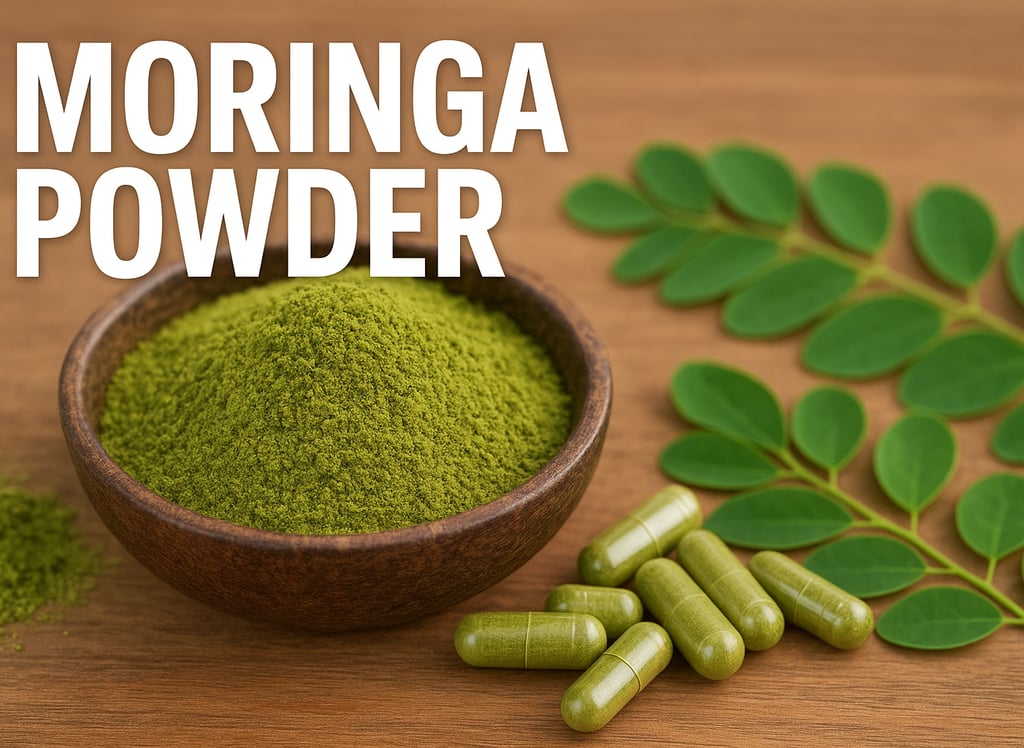
Moringa, often referred to as the "drumstick tree" or "miracle tree," is a plant native to parts of Africa and Asia. Its rich nutritional profile and numerous health benefits have made it a popular choice in traditional medicine for centuries. Moringa leaves, seeds, and pods are all edible, and they are used in various culinary applications, including soups, salads, and teas. However, it is the powdered form of the leaves, as well as moringa capsules, that has gained significant attention in recent years for their concentrated nutritional benefits.
The nutritional profile of moringa is impressive, containing essential vitamins and minerals. Notably, moringa is rich in vitamin C, vitamin A, calcium, and iron, making it a valuable source of nutrients for individuals looking to enhance their diets. In addition to these vitamins, moringa is also abundant in antioxidants, which may help combat oxidative stress and promote overall health. This potent combination of nutrients has led moringa to be hailed by health enthusiasts as a "superfood," further driving its popularity in alternative and complementary medicine.
Moringa capsules offer a convenient way for individuals to incorporate this nutrient-dense plant into their daily routines. These capsules are sold as dietary supplements and are often sought after for their purported health benefits, which include potential anti-inflammatory properties and blood sugar regulation. As the demand for natural health solutions continues to rise, moringa capsules have found a steady market among those seeking holistic approaches to wellness. Nonetheless, as with any supplement, it is essential for potential users to understand both the benefits and the precautions related to moringa, particularly for pregnant women.
Nutritional Benefits of Moringa
Moringa oleifera, commonly referred to as moringa, possesses an impressive nutritional profile that offers numerous benefits, particularly for pregnant women. This plant is rich in essential vitamins, minerals, and amino acids that can contribute to overall well-being during pregnancy.
One of the standout features of moringa is its high vitamin content. It contains significant amounts of vitamin A, which is crucial for fetal development and maintaining good vision. Additionally, moringa is a rich source of vitamin C, essential for the immune system and aiding in the absorption of iron, a critical nutrient for pregnant women. Vitamin E present in moringa serves as an antioxidant, protecting cells from damage, while B vitamins support increased energy levels and overall metabolic function.
Beyond vitamins, moringa is packed with essential minerals. It is a good source of calcium, which is important for the development of bones and teeth in the fetus. Moringa also provides iron, which can help combat anemia—a common concern in pregnancy. Furthermore, potassium, found in moringa, aids in maintaining fluid balance and regulating blood pressure, which is vital for the health of both mother and baby.
Moreover, moringa is rich in amino acids, the building blocks of proteins that are crucial for the growth and development of the fetus. It contains all nine essential amino acids, making it a complete protein source. This aspect is especially beneficial for vegetarians or those who may have dietary restrictions during pregnancy.
Considering the rich nutritional benefits of moringa, incorporating it into one's diet could provide significant health advantages during pregnancy. However, it is vital for pregnant women to consult healthcare providers before adding moringa or any supplements to ensure safety and efficacy.
Safety of Moringa During Pregnancy
The safety of moringa capsules during pregnancy has garnered considerable attention in recent years, particularly among expecting mothers seeking natural supplements. Moringa, a plant known for its rich nutrient profile, contains vitamins, minerals, and antioxidants, which may offer health benefits. However, it is crucial to scrutinize both the potential advantages and risks associated with its consumption during this sensitive period.
Current research indicates that while moringa leaves are generally safe when consumed in food form, the same cannot be definitively said for concentrated extracts, such as moringa capsules. Some studies have highlighted concerns regarding the effects of certain compounds found in moringa, particularly in high doses. For instance, the presence of alkaloids has raised questions about their ability to cause uterine contractions, which could lead to premature labor or miscarriage. As such, it is advisable for pregnant women to consult healthcare professionals before incorporating moringa capsules into their diet.
Experts recommend exercising caution when considering moringa supplements, as the lack of comprehensive clinical studies specifically addressing their safety during pregnancy means that much remains unknown. Additionally, individual reactions to supplements can vary, with some women experiencing sensitivities or allergic reactions. On the other hand, moringa's nutritional benefits, including iron and calcium content, may help address specific deficiencies that pregnant women face. Therefore, staying informed and consulting with healthcare providers will ensure that women can make educated decisions about the use of moringa during this time.
Ultimately, while moringa capsules present potential health benefits, understanding the associated risks is paramount. Consequently, the prudence of choosing moringa products should align with medical advice, considering both the health of the mother and the developing fetus.
Recommended Dosages of Moringa for Pregnant Women
When considering the use of moringa capsules during pregnancy, it is essential to understand the recommended dosages and guidelines to ensure safety. Moringa, known for its rich nutritional profile, offers numerous health benefits, but pregnant women must approach its supplementation cautiously. Generally, the suggested dosage for moringa supplements varies from 500 mg to 3,000 mg per day. However, it is crucial to remember that individual factors such as health status, trimester of pregnancy, and dietary needs must be taken into consideration.
Before incorporating moringa capsules into their routine, pregnant women are strongly advised to consult with a qualified healthcare provider. This consultation ensures that the intake of moringa aligns with their specific health needs and does not interfere with any existing conditions or pregnancy complications. Healthcare providers can offer personalized dosage recommendations and monitor any potential side effects that might arise from its use.
Furthermore, the safety of moringa capsules can be influenced by the quality of the product. Women should seek high-quality supplements that undergo rigorous testing for purity and potency. Organic and third-party tested products are preferable to mitigate risks associated with contaminants or unregulated supplementation.
It is also important to adjust dosages depending on the progress of the pregnancy. For instance, the nutritional requirements may shift significantly in each trimester. Therefore, regular check-ins with a healthcare professional can help determine if adjustments in dosage or the discontinuation of moringa capsules are necessary. Prioritizing health and safety through informed decisions is critical, especially during pregnancy, to support both the mother and the developing fetus.
Potential Side Effects of Moringa Capsules
Moringa capsules have gained popularity for their nutritional benefits; however, it is imperative to consider the potential side effects associated with their use, especially during pregnancy. While moringa is often touted for its rich profile of vitamins, minerals, and antioxidants, it may not be entirely safe for pregnant women without proper guidance. Common side effects can include gastrointestinal discomfort, which may manifest as nausea, diarrhea, or flatulence. These symptoms can be mildly irritating for some users, but they are typically manageable and transient.
More serious reactions, albeit rare, should also be acknowledged. Some individuals may experience allergic reactions to moringa, which could present as itching, swelling, or difficulty breathing. Such severe symptoms warrant immediate medical attention, particularly in pregnant women whose immune responses may fluctuate. Additionally, certain constituents in moringa, notably the seeds and root, may have a laxative effect or potentially influence uterine contractions, which raises concerns about their use during pregnancy. It is prudent for expectant mothers to either avoid these forms of moringa or seek comprehensive advice from a healthcare professional before consumption.
Furthermore, the safety of taking moringa capsules in conjunction with other medications has not been fully established. For pregnant women already managing other health conditions, the risk of interactions is a crucial aspect to consider. Engaging in an open dialogue with healthcare providers about diet, supplements, and any specific concerns is essential for ensuring the health and safety of both the mother and the developing fetus.
Understanding these potential side effects is a critical step in making informed decisions about the use of moringa capsules during pregnancy. Expecting mothers should prioritize their health by obtaining personalized advice tailored to their unique circumstances.
Consulting Healthcare Professionals
When considering the use of moringa capsules during pregnancy, the importance of consulting healthcare professionals cannot be overstated. Pregnant women experience numerous physical and hormonal changes, making it crucial to ensure any new supplement aligns with their health needs. Healthcare providers can assess individual health circumstances, discuss potential benefits, and evaluate risks associated with the use of moringa. This step is vital for the safety of both the mother and the developing fetus.
To have a productive conversation with a healthcare provider about moringa capsules, it is advisable for pregnant women to prepare beforehand. Start by listing any current medications, supplements, and health conditions, as this information will aid the healthcare professional in making tailored recommendations. It's also helpful to educate oneself about moringa, including its nutritional properties and reported health benefits. This knowledge can enable a more informed discussion regarding suitable dosages and possible interactions with other substances.
During the consultation, pregnant women should consider asking specific questions to clarify their understanding and gather vital information. Important inquiries include: What are the potential benefits of taking moringa capsules during pregnancy? Are there any known risks or side effects? Can the use of moringa interact with other medications or supplements? Additionally, it is wise to ask if there are any established guidelines regarding the usage of moringa during pregnancy based on current research.
Seeking advice from healthcare professionals not only facilitates informed decisions but also helps to ensure that the choices made during pregnancy support overall health and well-being. Ultimately, the insights gained from these consultations play an essential role in determining whether moringa capsules are a safe and beneficial addition to a pregnant woman's dietary regimen.
Conclusion and Final Recommendations
In reviewing the safety of moringa capsules for pregnant women, it is essential to consider both the potential benefits and the associated risks. The moringa plant, renowned for its high nutritional value, offers an array of vitamins and minerals that could potentially support maternal health. However, the physiological changes during pregnancy may affect how moringa is metabolized and its overall efficacy. Therefore, it becomes crucial for expectant mothers to approach the use of moringa capsules with a well-informed perspective.
One key takeaway is that while moringa is often regarded as a superfood with various health benefits, its consumption during pregnancy should be approached with caution. The lack of comprehensive research specifically examining the effects of moringa on pregnant women underscores the importance of consulting healthcare professionals. It is advisable for pregnant women to first engage with their obstetricians or healthcare advisors regarding any dietary supplements, including moringa capsules.
Final recommendations suggest that if considering moringa capsules, pregnant women should prioritize whole foods and balanced nutrition as primary sources of vitamins and minerals. If a decision is made to incorporate moringa into the diet, it should be part of a broader, well-rounded approach that includes regular health check-ups and adherence to professional medical advice. Careful monitoring of any reactions or side effects is crucial, as individual responses can vary significantly.
In conclusion, the safety of moringa capsules during pregnancy remains an area marked by uncertainty. The importance of making informed choices cannot be overstated, emphasizing the need for a collaborative approach between the pregnant individual and their healthcare providers to ensure both safety and well-being.
Wellness
Experience vitality with our natural herbal solutions—crafted to boost immunity, detoxify, and energize. Pure, plant-based wellness for everyday health, rooted in Ayurvedic tradition.
Contact us
support@mleaf.co.in
+91-9911382286
© 2025. All rights reserved.