
Unlock Heart Health with Moringa Capsules
Discover how moringa capsules can support your heart health by effectively managing cholesterol levels and blood pressure. Learn the benefits of incorporating moringa into your daily routine for a healthier lifestyle.
11/28/20257 min read
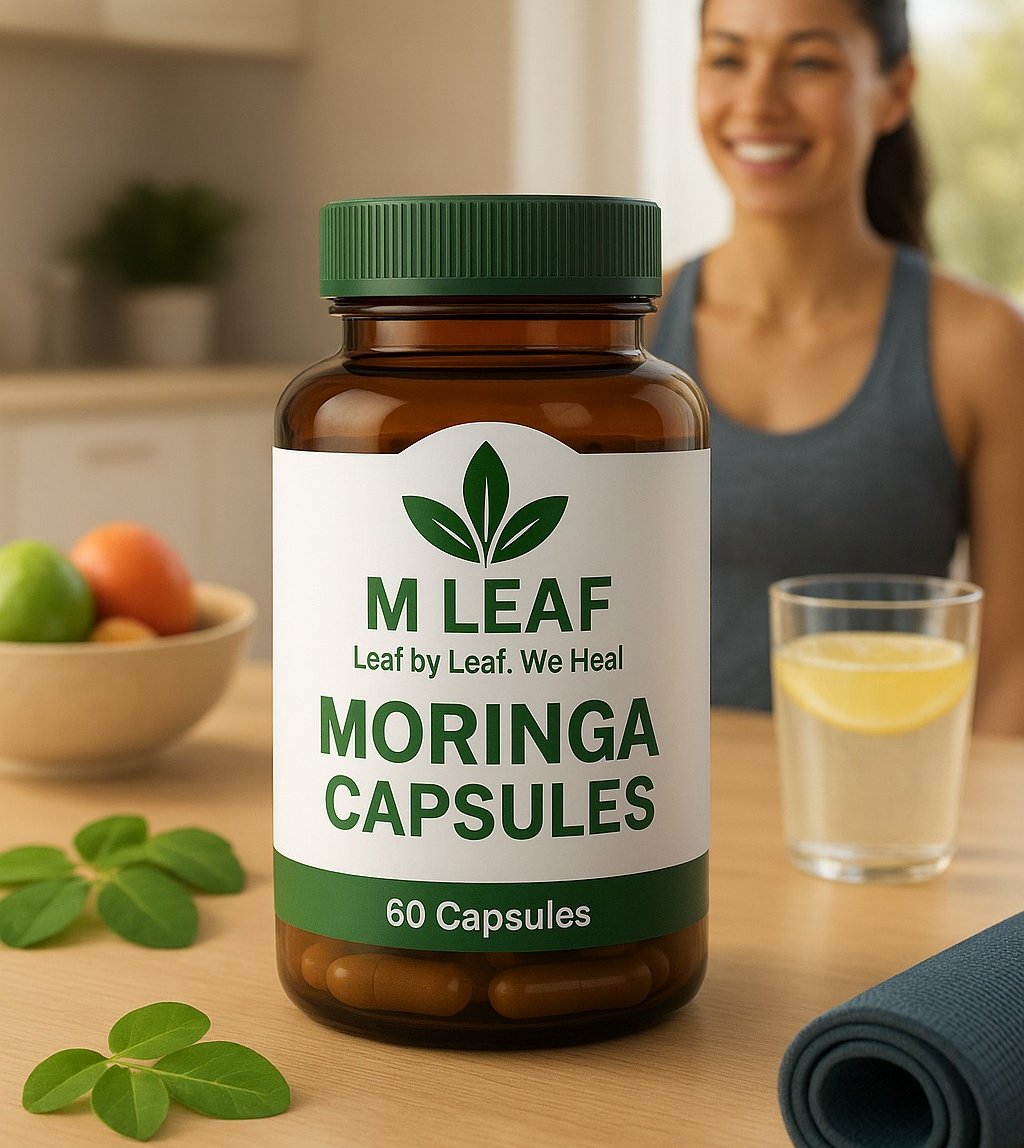
Introduction to Moringa and Heart Health
Moringa, often referred to as the "drumstick tree" or "miracle tree," is a nutrient-rich plant that has garnered significant attention for its impressive health benefits. Scientifically known as Moringa oleifera, this tree is native to parts of Africa and Asia. Traditionally, various parts of the moringa plant, including its leaves, pods, and seeds, have been utilized for culinary and medicinal purposes. The leaves, in particular, are celebrated for their high nutritional value, being abundant in vitamins A, C, and E, as well as minerals like calcium and potassium.
In recent years, there has been a growing interest in the potential health benefits of moringa, especially its effects on heart health. This is particularly relevant as cardiovascular diseases continue to be a leading cause of mortality worldwide. Research indicates that moringa may play a significant role in managing cholesterol levels and blood pressure, two critical factors implicated in heart disease. The rich phytonutrient content found in moringa is believed to contribute to these effects. Antioxidants, effectively found in the leaves and pods of the plant, can help neutralize free radicals, potentially leading to improved cardiovascular function.
Furthermore, studies suggest that moringa may help regulate lipid levels in the bloodstream, which is pivotal for maintaining healthy cholesterol levels. Additionally, the anti-inflammatory properties of moringa could facilitate better blood circulation and enhanced endothelial function, both integral to heart health. As individuals seek natural ways to support their cardiovascular well-being, the potential of moringa capsules as a supplement has emerged as a promising avenue that warrants further exploration. This narrative underscores not only the significance of moringa in traditional practices but also its alignment with contemporary health goals.
Understanding Cholesterol and Its Impact on Heart Health
Cholesterol is a waxy, fat-like substance that is prevalent in every cell of the body. It plays a vital role in the production of hormones, vitamin D, and bile acids, which aid in digestion. However, the body requires a delicate balance of cholesterol levels to maintain optimal health, particularly heart health. Cholesterol is transported through the bloodstream by lipoproteins, primarily categorized into two types: low-density lipoprotein (LDL) and high-density lipoprotein (HDL).
LDL cholesterol is often referred to as "bad" cholesterol because high levels of it can lead to plaque buildup in the arteries. This buildup narrows the arteries and increases the risk of heart disease, strokes, and other cardiovascular issues. Conversely, HDL cholesterol is known as "good" cholesterol since it helps transport cholesterol away from the arteries and back to the liver for excretion. A higher level of HDL is associated with a lower risk of heart disease, making its management crucial in cholesterol balance.
When cholesterol levels are unregulated, particularly when LDL levels are elevated, the risk of developing heart disease significantly increases. Factors contributing to high cholesterol levels include a diet high in saturated and trans fats, sedentary lifestyle choices, obesity, and genetic predisposition. Understanding these factors is essential for managing cholesterol levels effectively.
Maintaining balanced cholesterol levels is critical for heart health. Regular health screenings can help individuals monitor their cholesterol levels and identify potential risks. Lifestyle changes such as adopting a heart-healthy diet, engaging in regular physical activity, and possibly using supplements like Moringa capsules can support cholesterol management, fostering overall cardiovascular health. In light of this, it is essential to prioritize measures that promote a balanced cholesterol profile to mitigate heart disease risk and secure optimal health outcomes.
The Connection Between Blood Pressure and Heart Disease
Blood pressure is a critical indicator of cardiovascular health, representing the force exerted by circulating blood on the walls of blood vessels. Healthy blood pressure levels are generally defined as anything below 120/80 mmHg. However, when blood pressure rises consistently above this threshold, particularly to levels of 130/80 mmHg or higher, an individual is considered to be hypertensive, which significantly heightens the risk of developing heart disease.
Hypertension is often termed a "silent killer" due to its asymptomatic nature; many individuals remain unaware of their elevated blood pressure for years. Chronic hypertension places additional strain on the heart, compelling it to work harder to pump blood throughout the body. Over time, this increased workload can lead to a range of complications, including heart attack, stroke, heart failure, and other serious cardiovascular conditions.
Moreover, high blood pressure can damage blood vessels and arteries, reducing their elasticity and leading to atherosclerosis, where arteries become narrowed due to plaque buildup. This condition not only restricts blood flow but also increases the risk of clot formation, which can result in acute cardiovascular events. Therefore, maintaining healthy blood pressure levels is essential for protecting heart health and overall well-being.
Effective management of blood pressure can be achieved through lifestyle modifications such as a balanced diet, regular physical activity, weight management, and stress reduction. In some cases, nutritional supplements like moringa capsules may also aid in managing cholesterol and promoting healthy blood pressure levels. Taking proactive measures to monitor and control blood pressure is vital for preventing heart disease and ensuring a healthier future.
Nutritional Components of Moringa Beneficial for Heart Health
Moringa, often referred to as the "drumstick tree" or "miracle tree," is revered for its comprehensive nutritional profile, which is particularly beneficial for promoting heart health. Rich in antioxidants, vitamins, and minerals, moringa plays a crucial role in managing cholesterol and blood pressure levels, contributing to overall cardiovascular wellness. The abundance of these components provides a solid foundation for understanding moringa's efficacy in supporting heart health.
One of the most significant benefits of moringa is its high concentration of antioxidants, such as quercetin, chlorogenic acid, and beta-carotene. These compounds work to neutralize free radicals in the body, which are known to contribute to oxidative stress and may lead to heart disease. By reducing oxidative stress, moringa can help mitigate risk factors associated with cholesterol imbalance and hypertension. For instance, studies suggest that quercetin can lower blood pressure and improve lipid profiles, making it a valuable nutrient for individuals seeking to enhance heart health.
Besides antioxidants, moringa is also rich in essential vitamins, including vitamins A, C, and E. Vitamin A is crucial for maintaining healthy endothelial function, while vitamin C serves as a powerful antioxidant that supports the immune system and helps in the repair of tissues. Vitamin E has been linked to improved heart health by preventing the oxidation of LDL cholesterol, consequently reducing the risk of atherosclerosis. Furthermore, moringa contains vital minerals such as potassium and magnesium, which help regulate blood pressure levels and support cardiovascular function.
In summary, the combination of antioxidants, vitamins, and minerals in moringa plays an integral role in heart health, supporting the management of cholesterol and blood pressure levels. By incorporating moringa capsules into a balanced diet, individuals may harness these beneficial components, ultimately promoting a healthier cardiovascular system.
Research and Studies Supporting Moringa's Heart Health Benefits
Recent research has highlighted the potential benefits of moringa capsules in managing cholesterol levels and blood pressure, thus contributing to improved heart health. A number of clinical studies published in peer-reviewed journals have examined the effects of moringa oleifera, particularly its leaf extract, on various cardiovascular parameters. One notable study conducted on adults with hyperlipidemia revealed that daily intake of moringa leaf powder significantly reduced total cholesterol and low-density lipoprotein (LDL) cholesterol levels over a period of eight weeks. The findings demonstrated that moringa's natural compounds, including antioxidants and phytonutrients, may facilitate cholesterol metabolism and promote better lipid profiles.
Another promising research effort involved a randomized controlled trial focusing on participants diagnosed with hypertension. The results indicated that participants who consumed moringa capsules experienced a notable decrease in systolic and diastolic blood pressure compared to the control group. The hypertensive properties of moringa are thought to stem from its ability to enhance the bioavailability of essential minerals and nutrients that help regulate vascular tension and overall heart function. These studies collectively emphasize the potential of moringa not only as a dietary supplement but also as a holistic approach to heart health.
It is also important to consider the implications of these findings in real-world applications. With cardiovascular diseases ranking as one of the leading causes of mortality globally, integrating moringa capsules into dietary regimens could serve as a preventive strategy. By promoting favorable changes in cholesterol levels and contributing to blood pressure management, moringa presents itself as a valuable ally in the pursuit of cardiovascular wellness. As the body of research surrounding moringa expands, it will be crucial to monitor ongoing studies for further insights and confirmations regarding its effectiveness as a natural means of enhancing heart health.
How to Incorporate Moringa Capsules into Your Diet
Integrating moringa capsules into your daily diet can be a straightforward and effective way to harness the health benefits of this nutrient-rich plant. These capsules offer a convenient method to access the vitamins, minerals, and antioxidants that moringa is renowned for, particularly in supporting cholesterol and blood pressure levels. While the incorporation of moringa capsules is beneficial, it is essential to follow dosage guidelines and consider timing for optimal results.
Most health experts recommend a dosage of 1 to 2 capsules per day for adults. It is advisable to start with a lower dose, particularly for individuals who are new to moringa supplementation, and gradually increase it based on personal needs and any advice from a healthcare professional. It is vital to check the manufacturer's guidelines, as the concentration of moringa can vary between different brands.
Timing can also play a crucial role in the effectiveness of moringa capsules. Consuming them with meals can enhance absorption and minimize any potential digestive discomfort that some individuals may experience. For those aiming for specific health benefits, taking the capsules at the same time each day can help form a consistent routine, thereby promoting better adherence to the regimen.
While including moringa capsules in your diet, it is prudent to observe any existing health conditions or medications that may interact with moringa. Individuals who are pregnant, nursing, or those with specific medical conditions should consult with a healthcare provider before beginning supplementation. Notably, monitoring for any adverse effects will ensure a safe experience as you incorporate this herbal supplement into your lifestyle.
Conclusion: The Future of Moringa in Heart Health Management
As we explore the vast potential of moringa capsules in supporting cardiovascular health, it becomes increasingly evident that these natural supplements may offer a promising avenue for heart health management. Moringa, known for its high nutritional content and bioactive compounds, has garnered attention for its potential to assist in cholesterol and blood pressure regulation. This makes it an intriguing option for those seeking to incorporate plant-based solutions into their lifestyle for better heart health outcomes.
Current studies suggest that moringa may have the ability to lower total cholesterol levels and facilitate better blood pressure control, which are critical factors in preventing heart-related diseases. However, despite these promising findings, it is essential to recognize that more extensive and rigorous research is needed to fully validate these benefits and understand the mechanisms involved. Scientific inquiry will not only help to establish clearer guidelines regarding the dosage and efficacy of moringa capsules but will also identify any potential side effects or interactions with other medications.
Incorporating natural supplements like moringa into a holistic approach to heart health can be an advantageous strategy. Individuals must remain informed and consult healthcare professionals to determine the best combination of lifestyle changes, dietary adjustments, and supplementation that fits their specific needs. Moringa capsules could serve as a complementary tool in a broader health regimen aimed at enhancing heart function and overall wellbeing. As we look to the future, fostering a greater understanding of moringa's role in heart health will be pivotal in potentially transforming how we manage cardiovascular concerns.
Wellness
Experience vitality with our natural herbal solutions—crafted to boost immunity, detoxify, and energize. Pure, plant-based wellness for everyday health, rooted in Ayurvedic tradition.
Contact us
support@mleaf.co.in
+91-9911382286
© 2025. All rights reserved.